Unlocking Playful Design: A Comprehensive Guide to the Aurell Display Font
In the vast and often overwhelming world of typography, finding the right typeface can feel like searching for a needle in a haystack. Designers, marketers, and content creators are constantly on the lookout for fonts that not only communicate information but also evoke emotion. Enter Aurell, a fun display font that has quickly become a favorite among creative professionals seeking to inject personality into their work. But what exactly makes Aurell stand out in a sea of digital typefaces? Why is it considered the perfect choice for designs requiring a playful accent? This article explores the characteristics, applications, and strategic value of Aurell, helping you understand how this typeface can elevate your visual projects.
What Is Aurell? Understanding the Basics
At its core, Aurell is a display font. In typography, "display" refers to typefaces designed for use at large sizes, such as headlines, titles, and logos, rather than long blocks of body text. Unlike serif or sans-serif fonts optimized for readability in paragraphs, display fonts prioritize style, character, and visual impact. Aurell embodies this principle with a design that is inherently whimsical, energetic, and engaging.
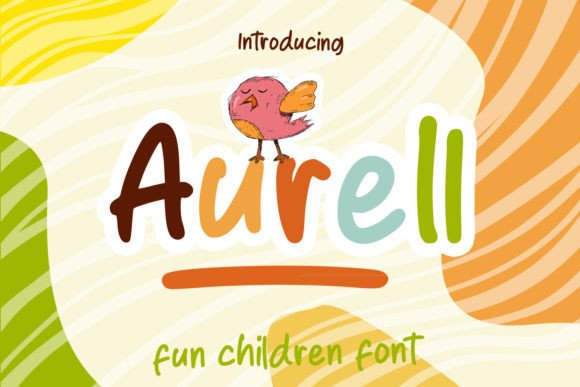
The font features rounded edges, irregular strokes, and a hand-drawn aesthetic that mimics the natural imperfections of human handwriting. This gives it a warm, approachable feel that rigid, geometric fonts often lack. When you look at Aurell, you don’t just see letters; you see movement and joy. It is this unique blend of structure and spontaneity that makes it an ideal candidate for projects where the goal is to capture attention and create a friendly atmosphere.
The Psychology of Playful Typography
Why does playfulness matter in design? The answer lies in human psychology. We are naturally drawn to things that appear friendly and non-threatening. A playful font like Aurell signals to the viewer that the content is accessible, fun, and perhaps even humorous. It lowers psychological barriers, making the audience more receptive to the message. Whether you are selling a product, promoting an event, or telling a story, the tone set by your typography can significantly influence how your audience perceives your brand or message.
Practical Applications: Where Aurell Shines
One of the most compelling aspects of Aurell is its versatility within the realm of display typography. While it may not be suitable for a legal contract or a academic journal, it excels in contexts where creativity and engagement are paramount. Let’s explore some of the primary areas where Aurell proves to be an invaluable asset.
- Book Covers: For children’s books, young adult novels, or lighthearted non-fiction, Aurell can instantly convey the genre and tone. A title rendered in Aurell suggests adventure, humor, or warmth, enticing readers to pick up the book.
- Posters and Event Flyers: Whether it’s a music festival, a community fair, or a birthday party, posters need to grab attention from a distance. Aurell’s bold and quirky shapes make it highly legible and visually striking on large-format prints.
- Packaging Design: In the retail environment, packaging is the silent salesman. Using Aurell on product labels for items like artisanal snacks, toys, or beauty products can differentiate your brand from competitors who use sterile, corporate fonts. It suggests that the product inside is crafted with care and fun.
- Merchandise and Apparel: T-shirts, tote bags, and mugs often feature short, punchy phrases. Aurell’s playful nature makes it perfect for these items, turning simple text into a fashionable statement piece.
- Logotypes and Branding: For startups, cafes, boutiques, or creative agencies, a logo built with Aurell can establish a brand identity that is modern, friendly, and memorable. It helps businesses appear approachable and customer-centric.
Integrating Aurell into Modern Design Workflows
Understanding where to use Aurell is only half the battle; knowing how to use it effectively is equally important. Because it is a display font, it should be used sparingly. Overusing a distinctive typeface can lead to visual fatigue and reduce its impact. Here are some best practices for integrating Aurell into your design projects.
- Pairing with Neutral Fonts: To let Aurell shine, pair it with a clean, simple sans-serif or serif font for body text. This contrast ensures that the headline grabs attention while the supporting text remains easy to read. For example, use Aurell for the main title and a standard font like Helvetica or Garamond for the description.
- Mind the Spacing: Display fonts often have unique kerning (spacing between letters) requirements. When using Aurell, pay close attention to the spacing between characters to ensure the word looks balanced and cohesive. Sometimes, tightening or loosening the tracking can dramatically improve the aesthetic.
- Color Considerations: Aurell’s playful shape works well with vibrant, bold colors. However, it can also look charming in pastel tones or even stark black and white. Experiment with color palettes that match the mood of your project. A bright yellow Aurell headline might suggest energy, while a soft pink could imply sweetness or calm.
- Hierarchy is Key: Use Aurell for the most important elements of your design—headlines, key quotes, or calls to action. Avoid using it for small print or detailed instructions, as its decorative nature can hinder readability at smaller sizes.
Common Misconceptions About Display Fonts
There is a common misunderstanding that display fonts like Aurell are merely "decorative" and lack substance. Some designers hesitate to use them, fearing they might appear unprofessional. However, this view overlooks the strategic power of emotional connection in branding. In today’s saturated market, professionalism does not always mean seriousness. Many successful brands leverage playful typography to build loyalty and trust by appearing human and relatable. Aurell is not just a pretty face; it is a tool for communication that bridges the gap between a brand and its audience.
The Role of Aurell in Digital and Print Media
In the digital age, the line between print and screen design is increasingly blurred. Aurell performs exceptionally well in both mediums. On websites and social media graphics, its distinct shapes stand out against the clutter of digital feeds. Instagram posts, YouTube thumbnails, and banner ads benefit from the immediate visual hook that Aurell provides. Similarly, in print, the font’s organic lines translate beautifully to paper, adding a tactile sense of warmth that digital screens sometimes lack.
For educators and content creators, Aurell can also be a useful tool in presentations and educational materials. By breaking the monotony of standard slides, it can help maintain student or audience engagement. When used in headings or key takeaways, it highlights important information in a way that feels inviting rather than authoritative.
Conclusion: Embracing Creativity with Aurell
Typography is more than just arranging letters; it is the art of giving voice to visual content. Aurell offers a unique voice—one that is cheerful, confident, and creatively free. By understanding its strengths and appropriate applications, designers and creators can harness its power to produce work that resonates on an emotional level. Whether you are designing a book cover that promises adventure, a logo that invites customers in, or a poster that demands attention, Aurell provides the playful accent needed to make your design memorable.
As you continue to explore the world of typography, remember that the right font can transform a good design into a great one. Don’t be afraid to experiment with playful options like Aurell. In a world that often takes itself too seriously, a touch of whimsy can be exactly what your audience needs. To learn more about licensing and downloading Aurell for your next project, visit reputable font foundries and explore the full range of weights and styles available. Embrace the fun, and let your designs speak with personality.