Triphop: Modern 60s Style for Designers
In the crowded landscape of digital design, capturing attention requires more than just clear communication; it demands an emotional connection. This is where typography plays a pivotal role. Triphop emerges as a distinctive solution for creators seeking to bridge the gap between nostalgic charm and contemporary clarity. As a decorative typeface that pays homage to the iconic hippy font style of the 1960s, it offers a unique visual language that resonates with audiences looking for authenticity, warmth, and artistic flair.
For marketers, brand designers, and content creators, the challenge often lies in selecting a font that stands out without sacrificing readability. Triphop addresses this by infusing vintage aesthetics with modern design principles. It is not merely a retro imitation but a carefully crafted tool that brings the spirit of peace, love, and artistic expression into modern projects. By understanding how to leverage its specific characteristics, you can elevate your visual storytelling and create designs that feel both timeless and fresh.
Capturing the Spirit of the Sixties with Modern Precision
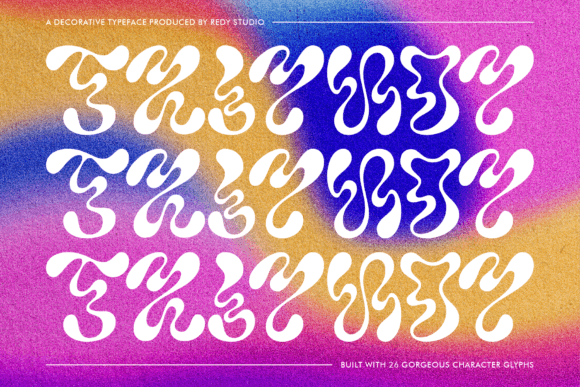
The 1960s were defined by a cultural shift toward freedom, creativity, and nonconformity. The typography of that era reflected this movement, characterized by fluid lines, organic shapes, and a playful disregard for rigid structure. Triphop Decorative Typeface captures this essence through its whimsical letterforms. Each of the 26 glyphs is adorned with intricate details, such as swirls, curves, and embellishments, which evoke the psychedelic and countercultural aesthetics of the time.
However, relying solely on nostalgia can sometimes result in designs that feel dated or difficult to read. Triphop avoids this pitfall by incorporating modern usability standards. The balance between vintage charm and contemporary legibility is what makes this font particularly valuable for professional use. It allows designers to tap into the emotional resonance of the hippy era while ensuring that the message remains accessible to a modern audience. This duality makes it an excellent choice for brands that want to convey approachability and creativity without appearing outdated.
Practical Applications for Creative Projects
Understanding where to apply Triphop can significantly enhance the impact of your design work. Because of its decorative nature, it is best suited for headlines, logos, and short-form text where visual impact is paramount. Here are several scenarios where this typeface can deliver meaningful results:
- Event Invitations and Posters: For music festivals, art exhibitions, or community gatherings, Triphop adds an immediate sense of vibe and atmosphere. Its playful curves suggest a relaxed, welcoming environment, encouraging attendance through visual appeal.
- Album Covers and Music Branding: Artists in genres such as indie folk, psychedelic rock, or lo-fi hip-hop can use Triphop to visually communicate their sonic identity. The font’s artistic flair complements the creative expression inherent in these musical styles.
- Lifestyle and Wellness Brands: Companies focused on mindfulness, yoga, or organic products often seek to project a sense of calm and natural harmony. The organic lines of Triphop align well with these values, helping to strengthen brand identity.
- Social Media Graphics: In a feed dominated by minimalist sans-serifs, a well-placed headline in Triphop can stop the scroll. It adds personality to quotes, announcements, and promotional posts, making them more memorable.
By integrating Triphop into these contexts, you are not just choosing a font; you are selecting a visual tone that supports your broader communication goals. It helps simplify the decision-making process for designers who need to quickly establish a specific mood without resorting to complex custom illustrations.
Enhancing Readability Without Sacrificing Style
One of the common concerns with decorative fonts is legibility. Ornate details can sometimes obscure character recognition, especially at smaller sizes. Triphop mitigates this issue through thoughtful design. While the letters feature embellishments, the core structure of each glyph remains clear. This ensures that the text remains readable even when used in moderately sized headers or subheadings.
For professionals, this balance is crucial. It means you can achieve a high level of aesthetic sophistication without compromising the user experience. When a viewer can easily read your message while enjoying the visual texture of the font, engagement increases. This is particularly important for small business owners and entrepreneurs who rely on clear communication to drive conversions. Whether it is a storefront sign or a digital banner, Triphop ensures that your brand name or key message is both seen and understood.
Who Benefits Most from Using Triphop?
While any designer can appreciate the artistic merit of Triphop, certain groups will find it especially useful. Freelancers and agencies working with clients in the creative, hospitality, or wellness sectors will find it a versatile asset. It allows them to offer distinct visual solutions that differentiate their clients from competitors using generic corporate typography.
Educators and publishers focusing on arts, history, or culture may also benefit. Using Triphop in educational materials or book covers can help contextualize content related to the 1960s or artistic movements, providing students and readers with an immediate visual cue about the subject matter. Similarly, bloggers and content creators who wish to add a personal touch to their websites can use Triphop for section headers or pull quotes, adding a layer of personality to their digital presence.
Considerations for Effective Use
To get the most out of Triphop, it is important to recognize its limitations. As a decorative typeface, it is not suitable for long bodies of text. Using it for paragraphs or detailed explanations can lead to reader fatigue and reduced comprehension. Instead, pair it with a clean, neutral sans-serif or serif font for body copy. This contrast creates a harmonious hierarchy, allowing Triphop to shine as a focal point while maintaining overall readability.
Additionally, consider the context of your audience. While the hippy aesthetic appeals to many, it may not align with brands that require a strictly corporate, formal, or high-tech image. Always evaluate whether the playful, nostalgic tone of Triphop fits your brand voice. If your goal is to convey stability, precision, or minimalism, a different typeface might be more appropriate. However, if your aim is to express creativity, warmth, or a connection to cultural heritage, Triphop is an ideal choice.
Final Thoughts on Integrating Vintage Charm
Incorporating Triphop Decorative Typeface into your design toolkit offers a way to connect with audiences on an emotional level. It provides a bridge between the past and present, allowing you to leverage the positive associations of the 1960s—freedom, creativity, and community—while maintaining the professionalism required in today’s market. By using it strategically in headlines, branding, and promotional materials, you can create visuals that are not only eye-catching but also meaningful.
Ultimately, the value of Triphop lies in its ability to simplify the creative process. It offers a pre-designed aesthetic that is both distinctive and usable, saving time and effort while delivering high-quality results. For those looking to infuse their projects with a touch of whimsy and nostalgia, Triphop serves as a powerful resource for achieving standout designs that resonate with modern viewers.