Fox Bubble: Groovy Retro Font Guide
In the crowded landscape of digital design, capturing attention requires more than just clear information; it demands personality. This is where Fox Bubble enters the conversation. As a playful display font that captures a cool, retro style, it offers designers and creators a unique tool to infuse their projects with character. The visual language of typography dictates how an audience feels before they even read a single word. By choosing a typeface like Fox Bubble, you are making a deliberate choice to communicate warmth, nostalgia, and approachability.
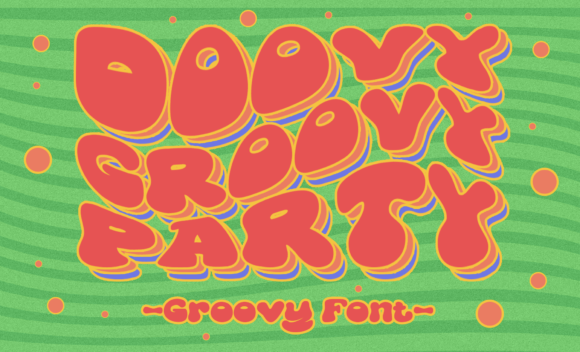
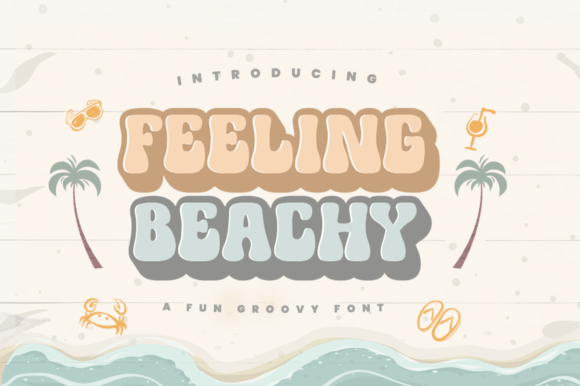
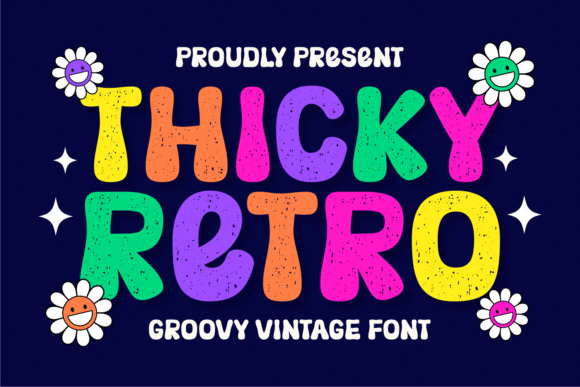
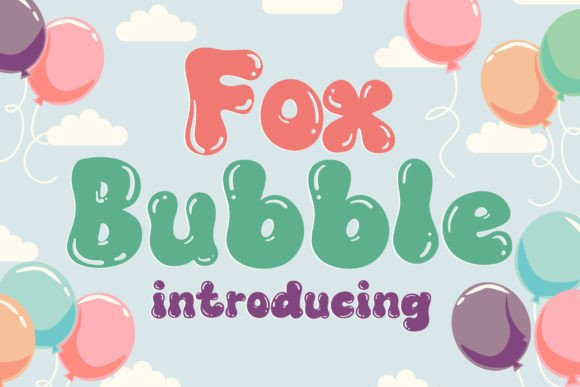
The appeal of this font lies in its ability to balance fun with functionality. It is not merely decorative; it serves as a strategic element in branding and communication. Whether you are designing for a local coffee shop, creating educational materials for children, or launching a social media campaign for a lifestyle brand, the right typography can significantly impact engagement. Fox Bubble Font is groovy font a playful display font that captures the cool, and retro style. With its fun and funky letterforms, this font is perfect for adding a touch of personality to any design project. Understanding how to leverage these characteristics can help you create designs that resonate deeply with your target audience.
Evoking Nostalgia Through Modern Design
Retro aesthetics have seen a massive resurgence in recent years. Consumers are drawn to the comfort and familiarity of styles from the 1970s and 1980s. Fox Bubble taps into this trend effectively. Its rounded edges and bubbly structure mimic the hand-drawn signage and advertising of past decades, yet it maintains the clarity required for modern digital screens. This duality makes it an excellent choice for brands looking to establish an emotional connection with their customers.
Consider a boutique bakery or a vintage clothing store. These businesses thrive on atmosphere and story. Using a sterile, corporate sans-serif font might convey professionalism, but it fails to convey the soul of the business. In contrast, Fox Bubble adds a layer of authenticity. It suggests that the brand is friendly, accessible, and perhaps a bit whimsical. For entrepreneurs and small business owners, this distinction is crucial. It helps differentiate your visual identity from competitors who may be using generic, overused typefaces. By integrating this font into your logo or packaging, you signal to customers that your brand values creativity and individuality.
Enhancing Readability in Playful Contexts
A common misconception about display fonts is that they sacrifice readability for style. However, Fox Bubble is designed with legibility in mind. The letterforms are distinct and open, ensuring that text remains easy to read even at smaller sizes or on busy backgrounds. This makes it particularly useful for projects where you need to convey information quickly without losing the playful tone.
For educators and publishers, this balance is invaluable. Children’s book covers, for instance, need to attract young readers while remaining clear enough for parents and teachers to read aloud easily. The funky letterforms of Fox Bubble engage children’s imaginations, making reading feel like an adventure rather than a chore. Similarly, in educational worksheets or classroom posters, the font can make learning materials feel less intimidating and more inviting. This subtle psychological effect can improve student engagement and retention, demonstrating how typography influences learning outcomes.
Strategic Applications in Digital Marketing
Social media moves fast, and stopping the scroll is the primary goal of any content creator. Visuals that stand out are more likely to be liked, shared, and remembered. Fox Bubble Font is the perfect choice for making your designs stand out in feeds dominated by minimalist and clean aesthetics. When used in Instagram stories, Pinterest pins, or TikTok overlays, it adds a pop of energy that draws the eye.
Marketers and bloggers can use this font to highlight key quotes, promotional offers, or event announcements. Because it has a strong personality, it works best for short bursts of text rather than long paragraphs. Think of it as the visual equivalent of an exclamation point. It emphasizes importance and excitement. For example, a fitness coach promoting a new challenge might use Fox Bubble for the headline "Join the Fun!" to convey that the program is enjoyable and community-focused, rather than strictly rigorous. This aligns the visual tone with the marketing message, creating a cohesive user experience.
Practical Use Cases for Creators
To maximize the value of Fox Bubble, it is helpful to consider specific applications where its strengths shine. Here are several scenarios where this font can elevate your design work:
- T-Shirt and Apparel Design: The bold, rounded shapes look excellent when printed on fabric. They work well for slogans, band names, or graphic tees that aim for a retro vibe.
- Stickers and Labels: Small-scale designs benefit from the font’s clarity. It creates eye-catching labels for handmade products, such as candles, jams, or soaps, adding a artisanal touch.
- Event Invitations: Birthday parties, baby showers, and casual gatherings benefit from the friendly tone. It sets expectations for a relaxed and joyful event.
- Packaging Design: For products targeting younger demographics or those emphasizing natural, organic ingredients, the font conveys honesty and playfulness.
Each of these use cases relies on the font’s ability to communicate mood instantly. By matching the typography to the product’s intent, you reduce the cognitive load on the consumer. They understand the brand’s personality immediately, which simplifies their decision-making process.
Knowing When to Use Display Fonts
While Fox Bubble is versatile, it is not a one-size-fits-all solution. Professional judgment is required to determine when it is appropriate. Display fonts are generally unsuitable for long-form body text, legal documents, or highly formal corporate communications. In these contexts, clarity and neutrality are prioritized over personality. Using a funky font in a serious financial report, for example, could undermine credibility.
Therefore, it is essential to pair Fox Bubble with complementary typefaces. A clean, simple sans-serif or a classic serif font works well for body copy, allowing Fox Bubble to serve as the headline or accent. This hierarchy ensures that the design remains balanced and professional while still incorporating the desired playful elements. Designers should always test their combinations to ensure sufficient contrast and readability across different devices and print mediums.
Supporting Creative Efficiency
For freelancers and agency designers, time is a critical resource. Starting from scratch with custom lettering can be time-consuming. Using a pre-designed font like Fox Bubble allows creators to achieve a custom, hand-drawn look without the hours of illustration work. This efficiency enables faster turnaround times for client projects and allows designers to focus on other aspects of the layout, such as composition and color theory.
Moreover, having a reliable go-to font for playful projects streamlines the creative process. Instead of searching through endless font libraries for each new brief, designers can rely on Fox Bubble as a trusted tool in their toolkit. This consistency can also help in building a recognizable style for clients who frequently need casual, engaging visuals. By standardizing certain design elements, you create a more cohesive brand identity over time.
In conclusion, Fox Bubble offers more than just aesthetic appeal; it provides a strategic advantage in communication. By understanding its strengths and limitations, creators can use it to enhance engagement, evoke emotion, and streamline their workflow. Whether you are designing for print or digital platforms, this font serves as a powerful reminder that typography is a vital component of effective design. Embrace its retro charm and let it add the perfect touch of personality to your next project.